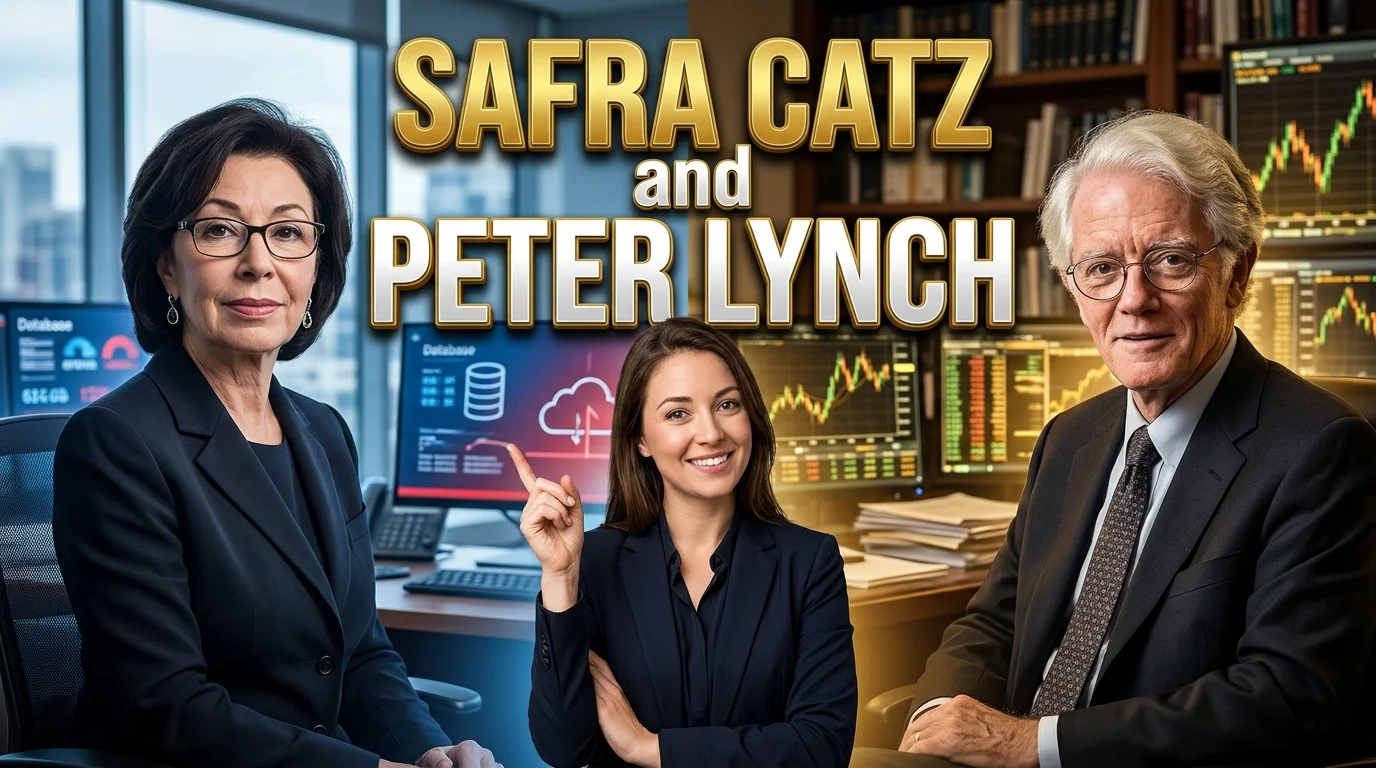
Safra Catz and Peter Lynch are two influential figures whose professional achievements have shaped the worlds of business, finance, and investment management. Although they built their reputations in different industries, their careers share important themes, including financial intelligence, strategic thinking, disciplined decision-making, and long-term professional growth. Safra Catz became internationally recognized for her executive leadership at Oracle, while Peter Lynch earned a reputation as one of America’s most successful mutual fund managers through his work at Fidelity Investments.
The story of Safra Catz and Peter Lynch is interesting because it demonstrates two different ways of understanding financial success. Catz focused on corporate leadership, business expansion, acquisitions, and technology strategy. Lynch concentrated on identifying promising companies, studying financial performance, and managing investments for long-term growth. Their experiences show how financial knowledge can be applied both inside major corporations and within financial markets.
People searching for Safra Catz and Peter Lynch may be interested in their biographies, education, careers, net worth, professional achievements, and leadership philosophies. They may also want to understand whether the two have a direct professional connection. There is no widely documented business partnership between them, but their careers provide an interesting comparison.
This article explores their early lives, professional journeys, major achievements, financial strategies, and influence on modern business. It also compares their leadership approaches, explains their contributions to Oracle and Fidelity, and highlights practical lessons entrepreneurs and investors can learn from their experiences.
Who Is Safra Catz?
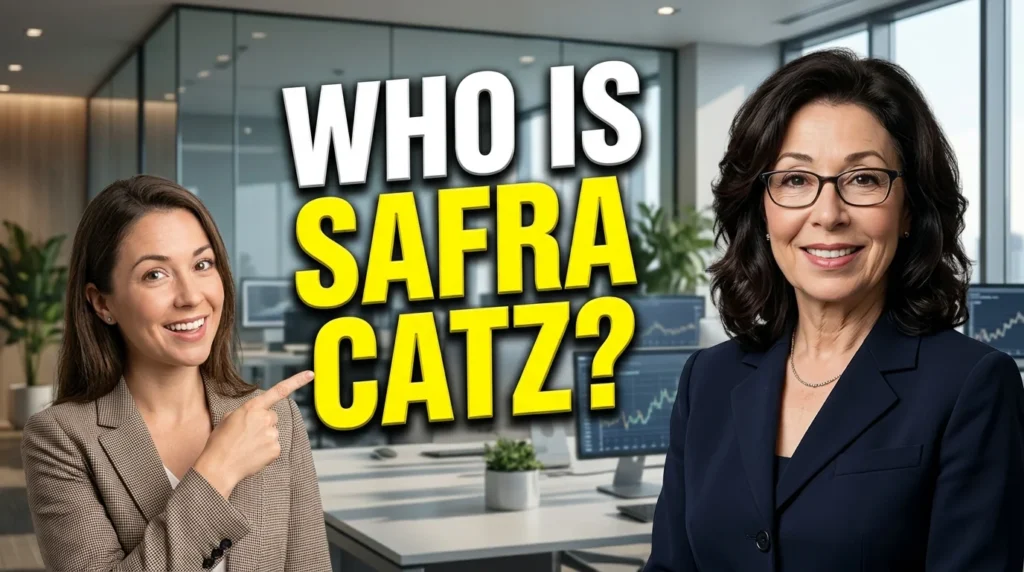
Safra Catz is an internationally recognized business executive best known for her long association with Oracle Corporation, a major technology company specializing in database software, enterprise applications, and cloud infrastructure.
Born in Holon, Israel, Catz moved to the United States with her family when she was a child. She developed an interest in education and professional achievement early in life. Her academic journey eventually led her to the University of Pennsylvania, where she studied business and law.
Before joining Oracle, Catz worked in investment banking at Donaldson, Lufkin & Jenrette. This experience introduced her to corporate finance, financial transactions, business negotiations, and strategic decision-making. It also helped her develop the financial knowledge that later became important in her executive career.
Catz joined Oracle in 1999 and gradually became one of its most influential executives. She held several important positions, including senior vice president, president, and chief financial officer.
In September 2014, she became co-chief executive officer alongside Mark Hurd. After Hurd’s death in 2019, she continued as Oracle’s sole CEO. Her leadership included important developments in enterprise technology, cloud computing, acquisitions, and corporate strategy.
In September 2025, Catz transitioned from the CEO position to executive vice chair of Oracle’s board. Her professional journey remains an important example of how financial expertise and corporate leadership can create opportunities in the global technology industry.
Who Is Peter Lynch?
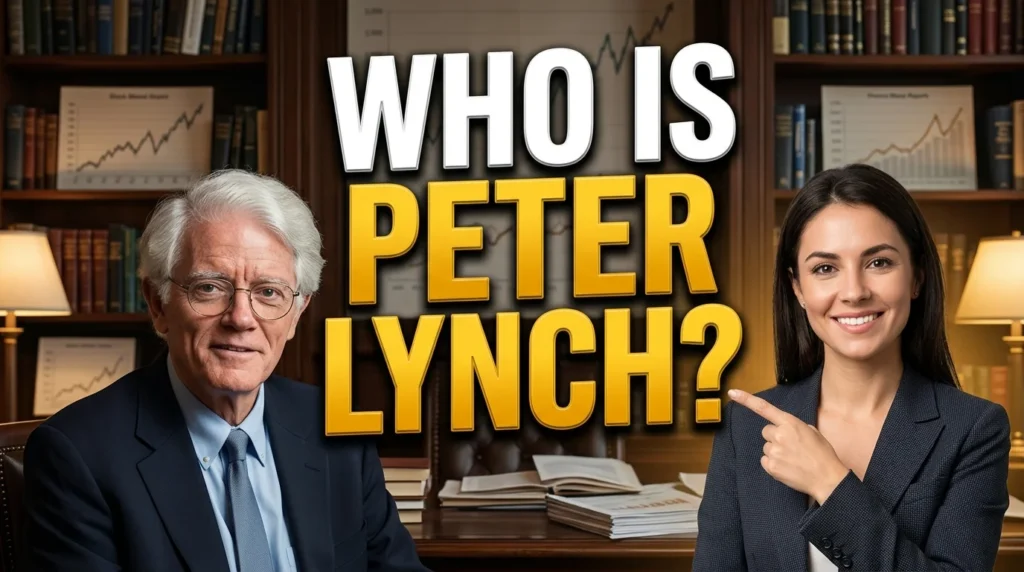
Peter Lynch is a famous American investor, financial author, and philanthropist. He became internationally recognized for managing Fidelity Investments’ Magellan Fund between 1977 and 1990.
During his 13-year management period, the fund experienced extraordinary growth. Its assets increased from approximately $18 million to around $14 billion, while its average annual return was approximately 29.2 percent.
Lynch developed his reputation by studying individual businesses and identifying companies with strong growth opportunities. Instead of depending entirely on market predictions, he encouraged investors to understand what companies actually did, how they generated revenue, and why customers purchased their products or services.
Born in 1944 in Newton, Massachusetts, Lynch developed an early interest in financial markets. He attended Boston College and later earned an MBA from the Wharton School of the University of Pennsylvania.
He joined Fidelity Investments in 1969 as a research analyst. His performance eventually helped him become director of research before he received responsibility for managing the Magellan Fund.
Beyond investment management, Lynch became a respected financial educator. His books, including One Up on Wall Street, Beating the Street, and Learn to Earn, introduced investment principles to readers around the world.
His career demonstrates how research, patience, financial knowledge, and independent thinking can contribute to long-term investment success.
Safra Catz’s Early Life and Education
Safra Catz was born in Holon, Israel, and moved to the United States during childhood. She grew up in Massachusetts, where she developed the educational foundation that eventually supported her business career.
She attended the University of Pennsylvania and graduated from the Wharton School in 1983 with a bachelor’s degree in business. Her interest in professional development did not stop there. She continued her studies at the university’s law school and earned a Juris Doctor degree in 1986.
Her combination of business and legal education provided valuable knowledge of corporate finance, business structures, negotiations, contracts, and organizational responsibilities.
This educational background helped her approach business decisions from multiple perspectives. Understanding financial performance is important, but large corporations must also consider legal requirements, contractual obligations, and long-term business risks.
After completing her education, Catz began working in investment banking. This decision became an important turning point in her professional journey.
Her experience in banking prepared her for complex financial transactions and eventually helped her move into executive leadership at Oracle.
Peter Lynch’s Early Life and Education

Peter Lynch’s interest in investing developed through his early experiences in Massachusetts.
As a young man, he worked as a golf caddie and listened to conversations about businesses and financial markets. These experiences introduced him to the idea that companies and their financial performance could create investment opportunities.
Lynch attended Boston College and graduated in 1965. He later completed an MBA at the Wharton School of the University of Pennsylvania in 1968.
His academic background strengthened his understanding of finance, accounting, economics, and business management.
Before establishing his career at Fidelity, Lynch served as a lieutenant in the United States Army. After completing his military service, he returned to the financial industry.
In 1969, he joined Fidelity Investments as a research analyst. His responsibilities included investigating companies, studying industries, and evaluating investment opportunities.
He gradually developed a practical approach to understanding businesses. Rather than focusing only on stock prices, he wanted to understand the companies behind those prices.
This habit became one of the defining characteristics of his investment philosophy.
Safra Catz’s Career at Oracle
Safra Catz’s professional achievements are closely connected with Oracle Corporation. She joined the company in April 1999 as a senior vice president after gaining experience in investment banking.
At Oracle, she quickly became involved in financial planning, corporate transactions, and business operations. Her ability to understand complex financial decisions helped her earn greater responsibilities.
In 2001, Catz joined Oracle’s board of directors. In 2004, she became president, and she subsequently held important financial responsibilities, including serving as chief financial officer.
One of her most significant contributions involved Oracle’s acquisition strategy. She played an important role in the company’s acquisition of PeopleSoft, a major transaction that strengthened Oracle’s position in enterprise software.
She was also involved in other important acquisitions, including Siebel Systems. These transactions helped Oracle expand its software portfolio and compete more effectively in the business technology market.
In September 2014, Catz became co-CEO alongside Mark Hurd. Their leadership brought different professional strengths to the company. Catz contributed financial and operational experience, while Hurd brought extensive technology and business management experience.
Following Hurd’s death in 2019, Catz continued as Oracle’s sole CEO.
During her leadership, Oracle continued investing in cloud infrastructure, enterprise applications, database technology, and artificial intelligence-related opportunities.
On September 22, 2025, she transitioned from CEO and principal financial officer to executive vice chair of Oracle’s board. Her career at Oracle demonstrates how financial knowledge can support the management and expansion of a major technology organization.
Peter Lynch’s Career at Fidelity Investments
Peter Lynch’s career at Fidelity Investments is one of the most recognized success stories in investment management.
He joined Fidelity in 1969 as a research analyst. His responsibilities included investigating businesses, evaluating financial statements, studying industries, and identifying potential investment opportunities.
His research skills helped him become director of research in 1974. Three years later, he received responsibility for managing the Fidelity Magellan Fund.
When Lynch took over in May 1977, the fund had approximately $18 million in assets. During his management, it experienced extraordinary growth and eventually became one of the largest mutual funds in the world.
By the time he retired in 1990, the fund had approximately $14 billion in assets. Its average annual return during his management period was approximately 29.2 percent.
These results made Peter Lynch one of the most respected figures in investment management.
His success was not based on predicting every movement in the stock market. Instead, he focused on understanding individual businesses and identifying companies with attractive growth potential.
He studied businesses across different industries, including retail, restaurants, manufacturing, and consumer products.
After retiring from managing Magellan, Lynch continued contributing to Fidelity through advisory and educational activities. He also devoted considerable attention to philanthropy and financial education.
His professional journey demonstrates that successful investing requires research, patience, and a willingness to understand the businesses behind stock prices.
Safra Catz vs. Peter Lynch: Career Comparison
Safra Catz and Peter Lynch achieved professional success through different responsibilities. One became a corporate executive in the technology industry, while the other became a legendary investment manager.
Their career comparison helps explain how financial knowledge can be applied in different professional environments.
| Category | Safra Catz | Peter Lynch |
| Main industry | Technology | Investment management |
| Famous organization | Oracle | Fidelity Investments |
| Professional role | Corporate executive | Investment manager |
| Known for | Oracle leadership and acquisitions | Magellan Fund performance |
| Main expertise | Corporate finance and operations | Stock research and portfolio management |
| Major achievement | Leading Oracle as CEO | Managing Magellan from 1977 to 1990 |
| Education | Business and law | Business and finance |
| Books | No comparable investment-book career | Three well-known investment books |
The comparison reveals that their professional achievements cannot be measured using exactly the same standards.
Catz was responsible for helping manage a global technology organization. Her work involved employees, customers, financial performance, corporate acquisitions, and business strategy.
Lynch was responsible for managing an investment portfolio. His work involved researching companies, evaluating stocks, managing risks, and making decisions for fund shareholders.
Both required strong financial understanding, but their responsibilities were fundamentally different.
Safra Catz’s Leadership Style
Safra Catz’s leadership style is closely associated with financial discipline, operational efficiency, strategic planning, and business execution.
Managing a large technology company requires a broad understanding of how different departments work together. Executives must consider revenue, expenses, customer relationships, employee performance, competition, and technological developments.
Catz’s investment banking experience provided a strong foundation for handling complex corporate decisions.
One of her important strengths was her experience with acquisitions. Large acquisitions require detailed financial analysis, negotiations, risk assessment, and integration planning.
For example, purchasing another company does not automatically create business value. The acquiring organization must understand how the transaction will strengthen its products, customer relationships, and market position.
Catz’s involvement in Oracle’s acquisition strategy demonstrated the importance of connecting financial decisions with long-term business objectives.
Her leadership also highlights the importance of adapting to technological developments.
The technology industry changes quickly. Companies that depend entirely on their previous products may struggle when customers begin demanding new services.
Oracle’s expansion into cloud computing demonstrates why established technology companies must continue investing in new business models.
Catz’s professional experience shows that successful corporate leadership requires both financial knowledge and the ability to respond to changing markets.
Peter Lynch’s Investment Philosophy
Peter Lynch’s investment philosophy is one of the main reasons he became famous among professional and individual investors.
His approach focused on understanding businesses rather than making decisions based entirely on stock market movements.
One of his most recognizable principles is commonly expressed as “invest in what you know.”
This means investors can begin researching companies whose products or services they understand.
For example, someone might notice that a restaurant chain is attracting more customers or that a particular consumer product is becoming increasingly popular.
However, noticing a successful product does not automatically make its manufacturer a good investment.
Investors must investigate the company’s financial performance, competition, debt, business model, and future growth opportunities.
Lynch also encouraged investors to understand the reasons behind their investment decisions.
If someone purchases a stock because a company is expanding into new markets, that person should monitor whether the expansion is actually successful.
His investment philosophy emphasizes independent research rather than blindly following market rumors.
Another important element is patience. A promising business may need several years to achieve its full potential.
However, patience should not mean ignoring financial problems. Investors must regularly examine company performance and reconsider their decisions when important facts change.
Understanding Peter Lynch’s Investment Strategy
Peter Lynch’s investment strategy involved studying individual companies and identifying businesses with attractive opportunities.
He believed that investors should understand the company’s story before purchasing its stock.
A company might have an interesting growth opportunity because it is opening new locations, introducing successful products, improving operations, or entering a new market.
Lynch encouraged investors to investigate whether the company’s plans were realistic.
His approach also involved examining financial information.
Important areas include:
- Earnings growth and profitability.
- Company debt and financial stability.
- Price-to-earnings ratios.
- Business competition.
- Management quality.
- Long-term growth opportunities.
- The company’s ability to generate cash.
Lynch also discussed different categories of stocks, including slow growers, stalwarts, fast growers, cyclicals, turnarounds, and asset plays.
These categories helped investors understand that companies have different business characteristics and investment risks.
For example, a fast-growing company may offer attractive opportunities, but it may also carry greater risk if its growth slows.
A cyclical company may perform well during favorable economic conditions but experience difficulties when demand declines.
Understanding these differences can help investors make more informed decisions.
His approach does not guarantee investment profits. Stock prices can decline, businesses can fail, and even carefully researched investments involve uncertainty.
Nevertheless, his emphasis on understanding businesses remains an important lesson in financial education.
Safra Catz’s Business Strategy at Oracle
Safra Catz’s business strategy was closely connected with Oracle’s financial performance, corporate expansion, and competitive position.
Oracle operates in several important areas of enterprise technology, including database management, cloud infrastructure, and business applications.
These products help organizations manage information, support daily operations, and maintain their technology systems.
One important part of Oracle’s development involved expanding its product portfolio through acquisitions.
The acquisition of PeopleSoft helped Oracle strengthen its enterprise applications business. The acquisition of Siebel Systems further expanded its customer relationship management capabilities.
Such transactions demonstrated how acquisitions can help technology companies enter new markets and strengthen their existing operations.
Another important area was cloud computing.
Traditionally, many organizations operated software through their own computer systems and data centers. Cloud computing created opportunities for businesses to access computing resources through internet-based infrastructure.
Oracle invested in developing its cloud services to compete in this changing market.
Catz’s executive responsibilities included overseeing important financial and operational aspects of the company during this transformation.
Her career demonstrates that corporate strategy requires a balance between protecting established business operations and investing in future opportunities.
Safra Catz and Peter Lynch: Net Worth and Financial Success
Safra Catz and Peter Lynch are both associated with considerable financial success, but their wealth developed through different professional activities.
Net worth is primarily associated with her executive compensation, Oracle stock holdings, and long-term involvement in corporate leadership.
As a senior executive at a major publicly traded technology company, she received compensation connected with salary, bonuses, and equity awards.
The value of publicly traded shares can change considerably, meaning that any estimate of her personal wealth may vary over time.
Peter Lynch’s financial success developed through his investment management career, professional compensation, investments, and other financial activities.
His management of the Magellan Fund established his reputation as one of the most successful investors of his generation.
However, managing a successful mutual fund and personally owning its assets are two different things. The fund’s assets belonged to its shareholders, not to Lynch personally.
This distinction is important when discussing Peter Lynch’s net worth.
Neither person’s exact current net worth should be treated as confirmed without reliable financial disclosures.
Their careers nevertheless demonstrate two different paths to financial achievement: executive leadership and professional investment management.
Major Achievements of Safra Catz
Safra Catz’s professional journey includes several important achievements.
Becoming Oracle’s CEO
One of her most significant accomplishments was becoming co-CEO in 2014 and subsequently serving as the company’s sole CEO after Mark Hurd’s death.
This position placed her among the most influential executives in the global technology industry.
Leading Corporate Acquisitions
Her involvement in major transactions helped Oracle expand its enterprise software business.
The PeopleSoft acquisition was particularly significant because it strengthened the company’s position in enterprise applications.
Supporting Cloud Development
Oracle’s cloud business became an important part of its long-term corporate strategy.
Catz’s leadership period included substantial developments in the company’s cloud services and infrastructure.
Building a Long Executive Career
She held several senior positions at Oracle, including president, CFO, and CEO.
Her transition to executive vice chair in September 2025 marked another important stage in her professional journey.
Supporting Education
Catz has also been involved with the Oracle Education Foundation since its founding in 2000 and has served as its chair since 2004.
These achievements demonstrate her influence beyond ordinary corporate management.
Major Achievements of Peter Lynch
Peter Lynch’s career includes several accomplishments that established him as a major figure in investment management.
Managing the Magellan Fund
Lynch’s greatest professional achievement was managing Fidelity’s Magellan Fund between 1977 and 1990.
During this period, the fund achieved an average annual return of approximately 29.2 percent.
Growing Fund Assets
Under his management, the fund’s assets increased from approximately $18 million to around $14 billion.
This extraordinary expansion reflected the fund’s investment performance and growing popularity.
Making Investment Education Accessible
Lynch helped ordinary people understand financial markets through his books and public explanations.
He believed that investors could improve their decisions by learning how businesses operate.
Publishing Successful Books
His books became widely read resources for people interested in investing.
They explain company research, stock selection, financial discipline, and long-term investment thinking.
Supporting Charitable Organizations
Through the Lynch Foundation and other charitable activities, Lynch has supported education, healthcare, cultural preservation, and community development.
His achievements extend beyond financial markets and demonstrate his interest in supporting future generations.
Peter Lynch’s Famous Books and Their Lessons
Peter Lynch became an influential financial educator through his writing.
His books explain investment concepts using practical language and examples.
One Up on Wall Street
One Up on Wall Street is among his best-known books.
It explains how individual investors can use their everyday knowledge to discover companies worth researching.
Lynch encourages readers to investigate businesses rather than depending entirely on professional predictions.
The book also explains why investors should understand the financial condition of a company before buying its shares.
Beating the Street
Beating the Street provides additional insight into Lynch’s investment approach.
It discusses company research, stock selection, and the importance of understanding individual business opportunities.
Readers can learn how a professional investor approaches financial decisions and evaluates companies.
Learn to Earn
Learn to Earn introduces business and investment concepts to readers who may be new to financial markets.
It explains how companies operate, how the stock market works, and why investing requires patience and knowledge.
Together, these books have helped make Peter Lynch’s investment philosophy accessible to a broad audience.
What Do Safra Catz and Peter Lynch Have in Common?
Although Safra Catz and Peter Lynch followed different career paths, several important characteristics connect their professional achievements.
Strong Financial Knowledge
Both developed extensive financial knowledge through education and professional experience.
Catz studied business and law before working in investment banking.
Lynch studied business and later developed his investment research skills at Fidelity.
Research-Based Decisions
Both relied on careful analysis when making important decisions.
Catz’s responsibilities involved corporate financial planning and acquisition evaluation.
Lynch’s investment approach depended on understanding company fundamentals and growth potential.
Long-Term Professional Success
Both built successful careers through years of professional development.
Catz spent more than two decades in senior positions at Oracle.
Lynch worked at Fidelity for many years and became internationally recognized through his Magellan Fund performance.
Business and Financial Influence
Catz influenced corporate management and technology strategy.
Lynch influenced investment management and financial education.
Their careers continue to provide useful examples for people interested in business and finance.
Continuous Learning
Both careers demonstrate the importance of understanding changing markets.
Technology companies must adapt to new developments, while investors must continuously evaluate businesses and financial conditions.
What Makes Their Professional Journeys Different?
The most important difference between Safra Catz and Peter Lynch is their approach to creating financial value.
Catz worked inside a corporation. She helped guide its operations, financial decisions, acquisitions, and long-term strategy.
Lynch worked in financial markets. He evaluated companies and selected investments for a mutual fund.
Their responsibilities also involved different types of risk.
Corporate executives must consider operational risks, legal requirements, competition, employees, customers, and financial performance.
Investment managers must consider stock prices, company fundamentals, portfolio diversification, market volatility, and shareholder expectations.
Both professions require discipline, but they involve different decision-making processes.
Catz’s career demonstrates the importance of managing an organization successfully.
Lynch’s career demonstrates the importance of identifying businesses with attractive investment potential.
Their achievements are therefore complementary examples of financial expertise rather than competing versions of the same career.
Their Influence on Modern Business and Finance
Safra Catz and Peter Lynch have influenced different parts of the financial world.
Catz’s professional legacy is closely associated with Oracle’s development as a major enterprise technology company.
Her experience demonstrates how financial management, corporate acquisitions, and strategic planning can support a technology organization’s growth.
Her career also provides an example for people interested in executive positions, particularly women pursuing opportunities in corporate finance and technology leadership.
Lynch’s influence is particularly visible in investment education.
His Magellan Fund performance attracted attention from professional investors and ordinary shareholders.
His books encouraged readers to investigate businesses, understand financial information, and avoid making decisions based entirely on market excitement.
Both careers demonstrate that financial success requires knowledge of the underlying business environment.
They also show that there is no single professional path to becoming influential in finance.
Philanthropy and Social Contributions
Professional success is not measured only by business achievements or investment performance. Contributions to education, healthcare, and community development can also become an important part of a person’s legacy.
Peter Lynch has been particularly active in philanthropy.
He and his late wife, Carolyn, established the Lynch Foundation in 1988.
The foundation supports organizations working in education, healthcare, cultural and historical preservation, and community development.
Lynch has also supported educational opportunities for students in the Boston area.
His involvement with scholarship initiatives demonstrates his commitment to helping young people gain access to education.
Safra Catz has also participated in educational and institutional activities.
Her involvement with the Oracle Education Foundation reflects an interest in expanding educational opportunities and supporting learning.
She has also served in important institutional leadership roles outside her executive responsibilities at Oracle.
Their philanthropic activities demonstrate how successful business professionals can contribute to organizations beyond their primary careers.
Lessons Entrepreneurs Can Learn From Safra Catz
Entrepreneurs can learn several useful lessons from Safra Catz’s professional journey.
1. Understand financial management. Business owners should understand revenue, expenses, profitability, and financial planning.
2. Build professional experience. Her career shows that knowledge gained in one industry can create opportunities in another.
3. Make strategic decisions. Business expansion should be based on careful evaluation rather than excitement.
4. Understand acquisitions. Purchasing another company can create opportunities, but successful integration requires planning.
5. Adapt to technology. Businesses must respond to changing customer needs and technological developments.
6. Develop leadership skills. Managing people and operations requires communication, accountability, and clear objectives.
These lessons can help entrepreneurs build sustainable organizations rather than focusing only on short-term growth.
Lessons Investors Can Learn From Peter Lynch
Peter Lynch’s investment philosophy offers several useful lessons for individual investors.
1. Understand what you own. Investors should know how a company makes money and what could affect its performance.
2. Research before investing. A popular company is not automatically a good investment.
3. Examine financial statements. Earnings, debt, cash flow, and profitability provide important information.
4. Be patient but remain alert. Long-term investing requires patience, but investors should monitor changes in company fundamentals.
5. Avoid emotional decisions. Fear and excitement can encourage poor financial choices.
6. Consider valuation. Even an excellent company may become an unattractive investment if its stock price is too high.
7. Understand investment risks. Diversification and careful research can help investors manage uncertainty.
These principles explain why Peter Lynch remains an important name in financial education.
Frequently Asked Questions
1. Who Is Safra Catz?
Safra Catz is an Israeli-born American business executive best known for her long career at Oracle Corporation. She served as Oracle’s CEO from 2014 until September 2025 and currently holds the position of executive vice chair of its board.
2. Who Is Peter Lynch?
Peter Lynch is an American investor, financial author, and philanthropist. He managed Fidelity Investments’ Magellan Fund from 1977 to 1990 and became famous for its strong investment performance.
3. Are Safra Catz and Peter Lynch Related?
There is no widely documented evidence establishing a family relationship between Safra Catz and Peter Lynch. They are known for their separate professional achievements in technology and investment management.
4. Did Safra Catz and Peter Lynch Work Together?
There is no widely documented direct professional partnership between them. Catz is associated with Oracle, while Lynch is primarily associated with Fidelity Investments and the Magellan Fund.
5. What Is Safra Catz Famous For?
Safra Catz is famous for her leadership at Oracle, her involvement in major corporate acquisitions, and her contributions to the company’s financial and operational strategy.
6. What Is Peter Lynch Famous For?
Peter Lynch is best known for managing Fidelity’s Magellan Fund and achieving an average annual return of approximately 29.2 percent during his 13-year management period.
7. What Is Safra Catz’s Educational Background?
Catz graduated from the Wharton School of the University of Pennsylvania in 1983 and earned a law degree from the university’s law school in 1986.
8. What Is Peter Lynch’s Most Famous Investment Book?
One Up on Wall Street is one of Peter Lynch’s most famous books. It explains how individual investors can research businesses and identify potential investment opportunities.
9. What Was Peter Lynch’s Average Annual Return?
Peter Lynch achieved an average annual return of approximately 29.2 percent while managing the Magellan Fund from 1977 to 1990.
10. What Is the Biggest Difference Between Safra Catz and Peter Lynch?
Safra Catz is recognized for corporate leadership in the technology industry, while Peter Lynch is recognized for investment management and financial education.
11. What Can Entrepreneurs Learn From Safra Catz?
Entrepreneurs can learn about financial discipline, corporate strategy, business expansion, professional development, and the importance of informed decision-making.
12. What Can Investors Learn From Peter Lynch?
Investors can learn to research companies, understand business fundamentals, consider stock valuations, remain patient, and avoid making decisions based entirely on market emotions.
Conclusion
Safra Catz and Peter Lynch represent two different approaches to professional and financial success. Catz built her reputation through investment banking, corporate finance, acquisitions, and executive leadership at Oracle. Lynch became an investment legend through his management of Fidelity’s Magellan Fund and his practical approach to researching businesses.
Although there is no widely documented direct professional connection between them, comparing Safra Catz and Peter Lynch provides valuable insights into corporate leadership and investment management. Their careers demonstrate how education, financial knowledge, strategic thinking, and disciplined decision-making can create lasting professional achievements.

Ethan Parker
Hi, I’m Ethan Parker, a language enthusiast and content writer at Meanzafy.com. I enjoy exploring the meanings of words, slang, abbreviations, and everyday expressions to make English easier for everyone. My goal is to create clear, accurate, and beginner-friendly content that helps readers quickly understand what words and phrases really mean. Through every article, I aim to make learning English simple, practical, and enjoyable.